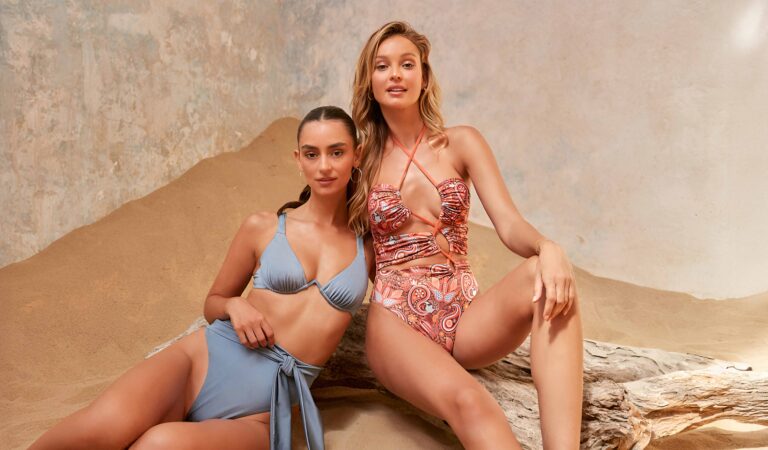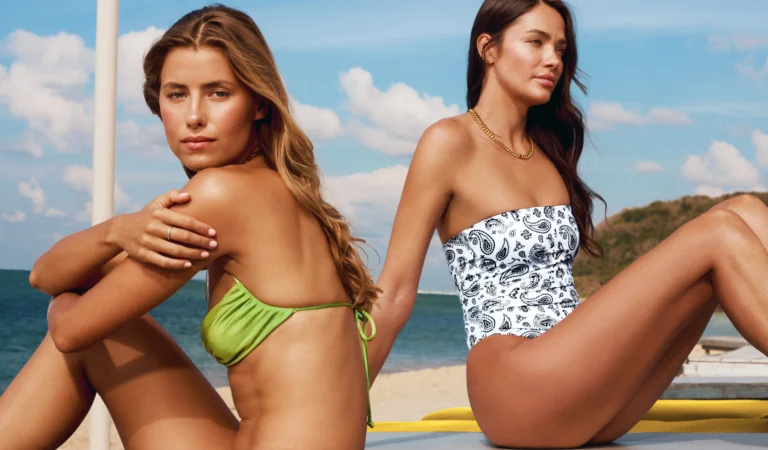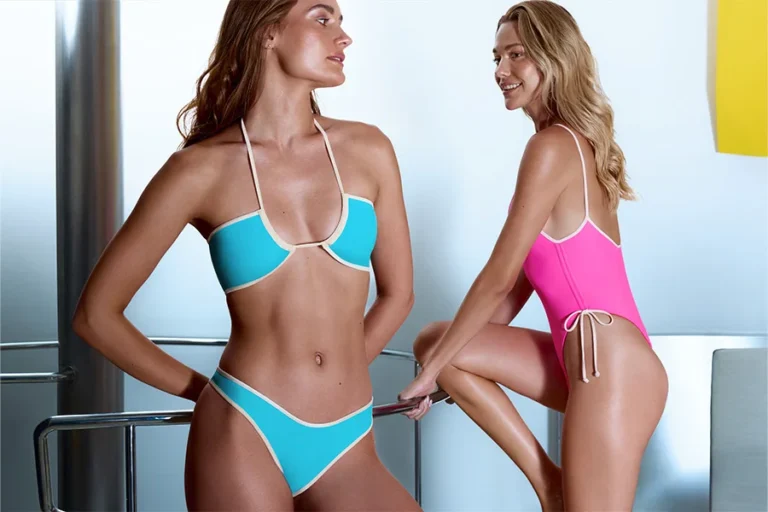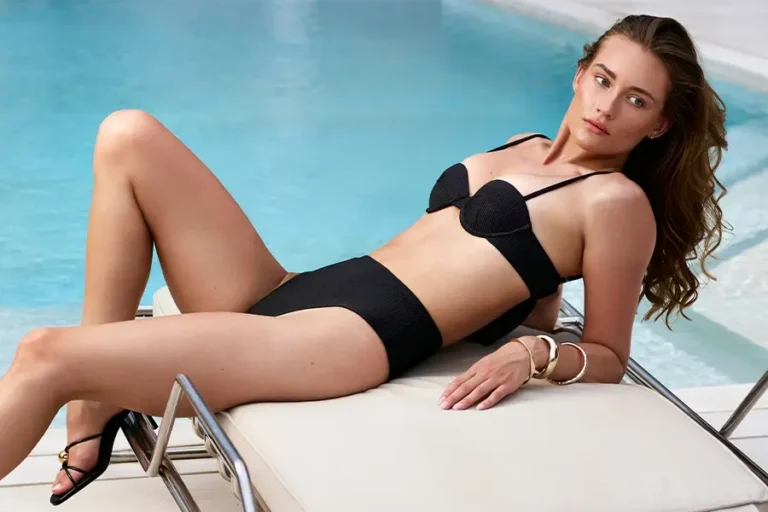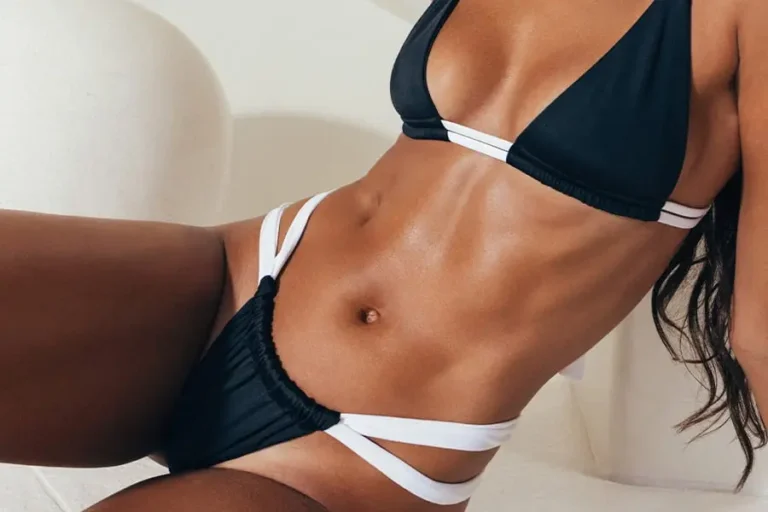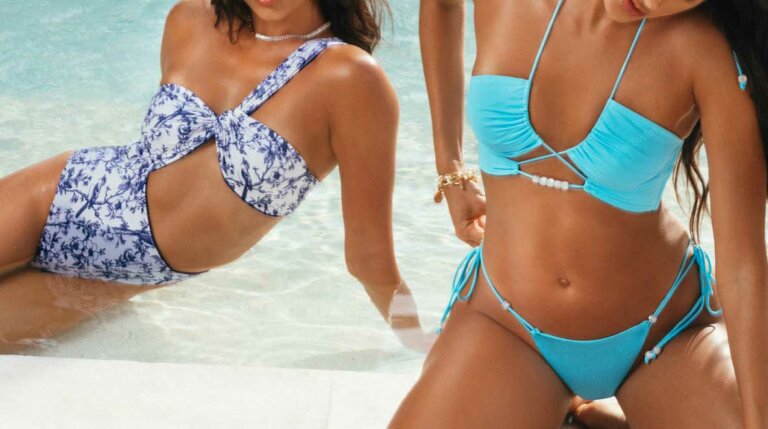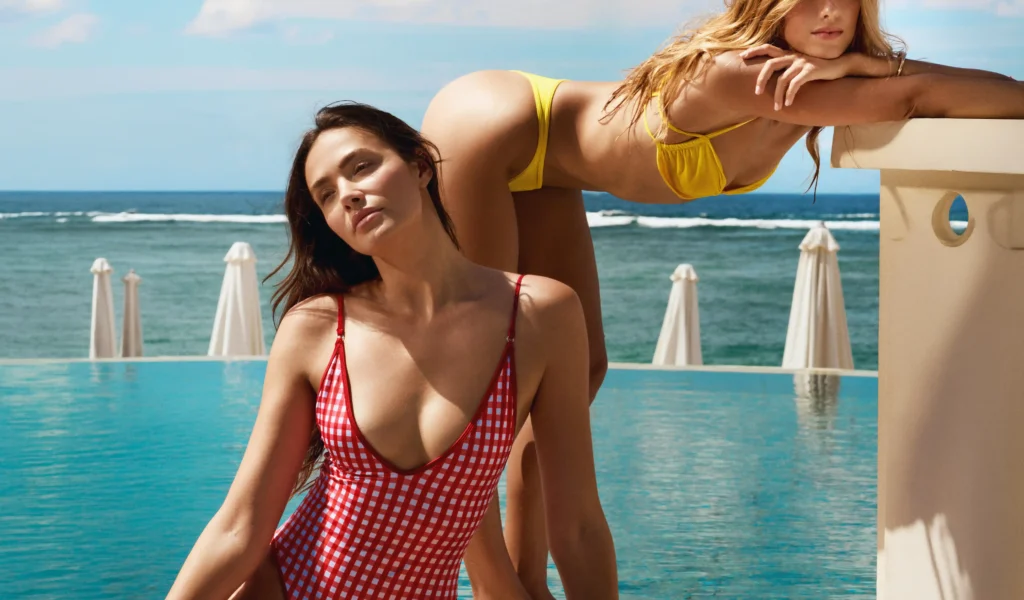
Starting a swimwear brand in 2026 looks very different from even a few years ago.
The barrier to entry is lower. The competition is higher. And customers are more conscious than ever about fit, quality, and sustainability.
But here’s the reality most blogs won’t tell you:
👉 The success of your brand doesn’t start with your logo
👉 It starts with your product and your manufacturer
This guide breaks down exactly how to go from idea to production, and what actually matters if you want to build a swimwear brand that lasts.
1. Define Your Swimwear Brand (Before You Design Anything)
Before thinking about styles or colors, you need clarity on:
- Who you’re designing for
- What gap you’re filling
- Why your brand should exist
In 2026, brands that win are specific, not broad.
Instead of:
“Swimwear for women”
Think:
“Sustainable swimwear for active women who want sculpting support and minimal designs”
This clarity will influence:
- your pricing
- your fabric choices
- your manufacturer
👉 If you skip this step, everything else becomes messy later
2. Understand Your Market (Not Just Trends)
Trends move fast. But customer behavior is what builds brands.
Ask:
- Are you targeting US, Australia, or local markets?
- What price point makes sense for your audience?
- Are they driven by sustainability, aesthetics, or function?
For example:
US startup brands in 2026 are heavily leaning toward:
- eco-conscious materials
- inclusive sizing
- minimal but premium design
Understanding this early helps you avoid expensive mistakes in sampling.
3. Design with Production in Mind
This is where many new brands struggle.
Not all designs are production-friendly.
A good manufacturer will guide you, but you should already consider:
- complexity of seams
- hardware usage
- adjustability
- fabric compatibility
Smart founders in 2026 are designing with:
→ fewer SKUs
→ more versatile pieces
→ strong core silhouettes
Before finalizing styles, understand how to produce your swim line brand.
4. Choose the Right Swimwear Manufacturer (This Is Everything)
This is the biggest decision you’ll make.
Not all manufacturers are built for startups.
When looking for a swimwear manufacturer for small brands, prioritize:
✔ Low MOQ (Minimum Order Quantity)
You don’t want to overproduce before testing your market.
✔ Development Support
Look for teams that can help with:
- pattern making
- fabric sourcing
- fit adjustments
✔ Transparent Pricing
Hidden costs kill margins.
✔ Experience with Startup Brands
This is critical. Established factories often prefer large orders.
If you’re still comparing suppliers, read our guide on finding the right swimwear manufacturer for your brand.
5. Why Bali Has Become a Swimwear Production Hub
There’s a reason so many global brands produce in Bali.
A strong swimwear manufacturer in Bali typically offers:
- low MOQ production
- sustainable fabric options
- flexible development process
- experience with international brands
For startups, this balance of flexibility and quality is hard to find elsewhere.
6. Consider Sustainability from Day One
If eco production is part of your vision, learn how to create a sustainable swimwear brand.
Options include:
- recycled nylon (like ECONYL®)
- eco-ink printing
- small batch production
But sustainability isn’t just fabric.
It’s also:
- how much you produce
- how you package
- how long your product lasts
7. Sampling and Development (Where Most Budget Goes)
Sampling is where your idea becomes real.
Expect to go through:
- 1–3 sample rounds
- fit adjustments
- fabric testing
This stage requires patience.
Rushing it leads to:
❌ poor fit
❌ inconsistent sizing
❌ production issues later
8. Production: Small Batch Is the Smart Move
In 2026, brands are moving away from large upfront orders.
Instead:
→ test with small batches
→ gather feedback
→ restock bestsellers
Working with a low MOQ swimwear manufacturer gives you this flexibility.
9. Build Your Brand While Producing
Don’t wait until production is finished.
Start building:
- Instagram presence
- email list
- brand story
Customers want to follow the jusrney, not just the final product.
10. Launch with Data, Not Guesswork
Your first launch is not about perfection.
It’s about learning:
- which styles sell
- what your customers respond to
- what needs improvement
The brands that succeed are the ones that adapt quickly.
Final Thoughts
Starting a swimwear brand in 2026 is more accessible than ever — but also more competitive.
The difference between brands that grow and brands that disappear usually comes down to one thing:
👉 Choosing the right manufacturer and building a strong product foundation
If you get that right, everything else becomes easier.