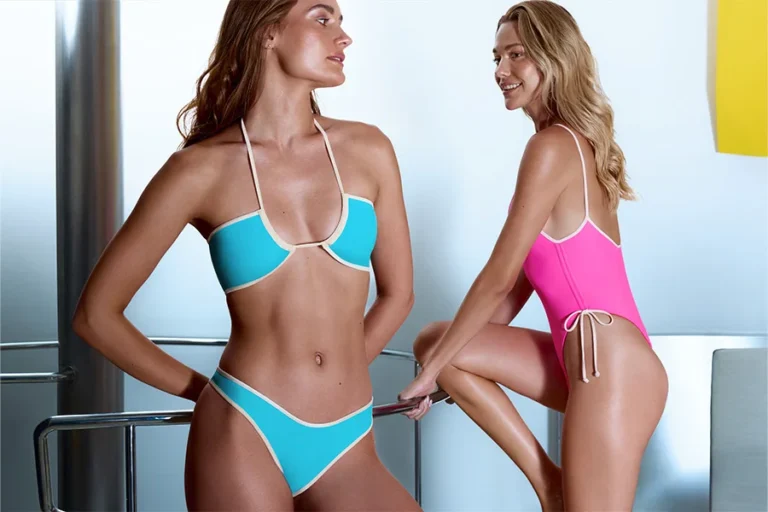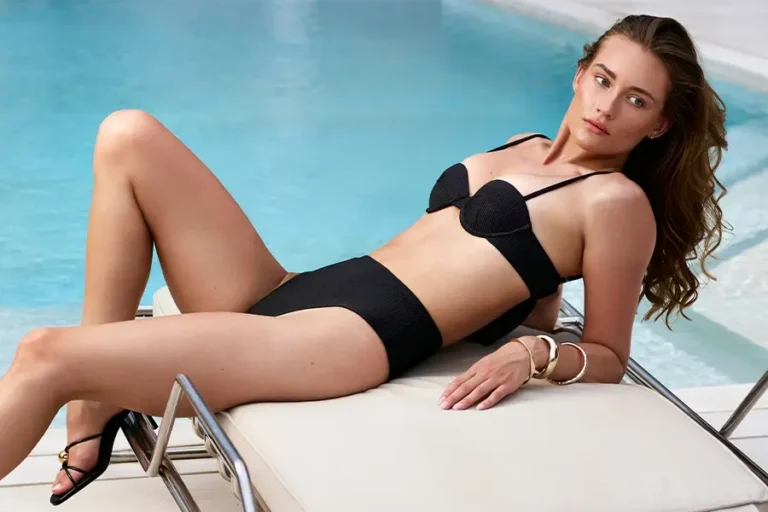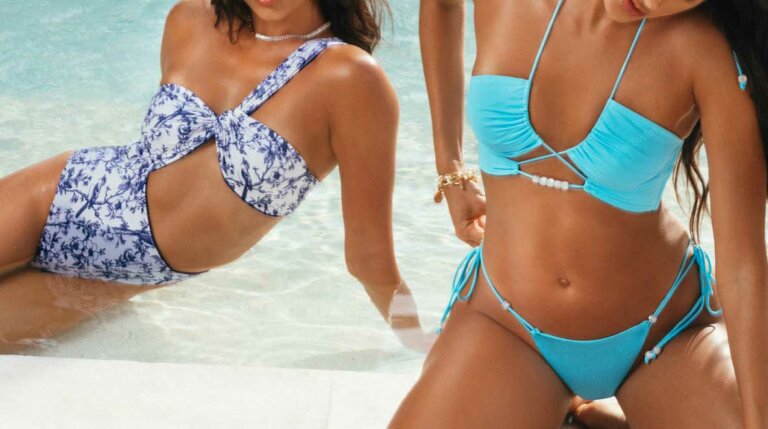
One of the biggest misconceptions about launching a swimwear brand is that you need to start everything completely from scratch.
In reality, many successful brands launch by combining:
- proven silhouettes
- strong customer positioning
- smart product selection
- and gradual customization over time
After working with hundreds of swimwear startups, we’ve seen that the brands that grow fastest are not necessarily the ones with the most original designs.
They’re the ones that:
- understand their customer deeply
- launch strategically
- reduce unnecessary risk
- and validate demand before scaling
This is what a modern swimwear launch roadmap actually looks like.
Step 1: Start With the Customer – Not the Bikini
Most founders begin with:
“I want to create a swimwear brand.”
But that’s too broad.
The strongest brands usually begin with a much clearer identity and emotional direction.
For example:
- minimal tanning aesthetic
- sporty surf culture
- luxury resort wear
- eco-conscious motherhood
- bold Brazilian cuts
This matters because your customer identity influences everything:
- silhouettes
- fit preferences
- pricing
- fabric choices
- campaign styling
- content strategy
One of the most common mistakes new founders make is designing based on personal taste instead of customer behavior.
The brands that perform best usually create products that fit naturally into an existing lifestyle or community.
Step 2: Decide What Type of Launch Model Makes Sense
Not every swimwear brand needs full custom development from day one.
This is something many founders don’t realize early enough.
There are generally several different ways brands launch:
Fully Custom Development
Designed entirely from scratch with unique patterns, cuts, and construction.
Best for:
- established brands
- higher budgets
- long-term differentiation strategies
Semi-Custom Development
Using existing silhouettes or foundations and adapting them through:
- fabric changes
- color direction
- branding
- hardware
- fit adjustments
This is one of the smartest approaches for newer brands because it reduces:
- development time
- sampling costs
- technical errors
while still allowing room for brand identity.
Ready Designs / Proven Silhouettes
Some manufacturers offer existing design libraries or market-tested silhouettes that brands can adapt and build around.
This approach is often underestimated.
Many successful startups begin with proven styles that already:
- fit well
- perform commercially
- and align with current market demand
The differentiation then comes through:
- branding
- styling
- content
- positioning
- customer experience
Not necessarily reinventing the bikini shape itself.
Step 3: Build a Small Collection That Makes Sense Together
One of the fastest ways to increase costs and complexity is launching with too many styles.
Many first-time founders think:
“More options = stronger brand.”
But operationally, this often creates:
- inventory problems
- inconsistent branding
- slower development
- larger financial risk
The brands that scale more sustainably usually begin with:
- 3–5 focused styles
- cohesive color direction
- interchangeable looks
- clear audience alignment
A smaller launch also allows brands to:
- test customer response faster
- learn what actually sells
- improve future collections using real data
Step 4: Sampling Is About Validation, Not Perfection
Sampling is where expectations and reality usually collide.
Many founders expect the first sample to arrive production-ready.
In reality, the first sample is typically used to evaluate:
- fit
- proportions
- fabric behavior
- support
- construction details
Multiple revisions are normal.
What often slows development down is not the factory itself, but:
- constant redesigning
- unclear direction
- changing decisions mid-process
The strongest launches usually happen when founders:
- stay focused
- trust the process
- and avoid overcomplicating the product early on
Step 5: Think Commercially, Not Emotionally
This is one of the biggest mindset shifts successful founders make.
Many early brands choose:
- difficult cuts
- trend-heavy details
- expensive fabrics
- complex construction
because they look exciting creatively.
But commercially, simpler products often perform better.
Why?
Because they:
- fit more body types
- are easier to reorder
- have stronger margins
- appeal to broader audiences
Some of the most successful swimwear products are surprisingly simple.
The difference is usually:
- branding
- styling
- photography
- customer positioning
not product complexity.
Step 6: Start Marketing Before Production Ends
One of the biggest launch mistakes is waiting until inventory arrives before building attention.
By the time production begins, brands should already be preparing:
- content shoots
- social media
- email lists
- launch campaigns
- influencer outreach
The most effective launches create anticipation before products become available.
This allows brands to:
- validate interest early
- build momentum
- reduce dead stock risk
Step 7: Launch Lean, Then Learn Fast
Many founders believe their first launch needs to be perfect.
It doesn’t.
The goal of a first launch is often:
- validation
- learning customer behavior
- understanding best sellers
- collecting feedback
The brands that last long-term are usually the ones that evolve quickly based on real market response.
Not the ones trying to perfect everything before launching.
What We’ve Seen From Successful Swimwear Brands
After working with brands at different stages, a few patterns consistently appear among the ones that grow sustainably:
They:
- start with a clear customer identity
- avoid overbuilding the first collection
- use proven foundations where possible
- validate demand before scaling aggressively
- focus equally on branding and product
- move quickly but strategically
The brands that struggle most are often the ones trying to:
- do everything at once
- reinvent every detail
- or build for themselves instead of the customer.
Final Thoughts
Launching a swimwear brand today looks very different than it did a few years ago.
The brands growing fastest are not necessarily the ones with the biggest launches or the most complicated products.
They’re usually the brands that:
- understand their audience deeply
- launch strategically
- reduce unnecessary risk
- and build gradually with intention
In many cases, smart execution outperforms excessive customization.
Ready to Start Your Swimwear Brand?
Whether you’re exploring:
- custom development
- semi-custom production
- or ready-to-adapt swimwear designs
having the right launch strategy early on can make a major difference in both timeline and cost.
At Bali Swim, we work with brands at different stages to help turn concepts into commercially viable collections.